 Ask about a pilot
30-day shop test
Will it work in your shop?
Put one bottle in each of three bays. Count the wheels. Weigh the bottles. After 30 days, you will have your own usage and cost-per-wheel numbers.
Ask about a pilot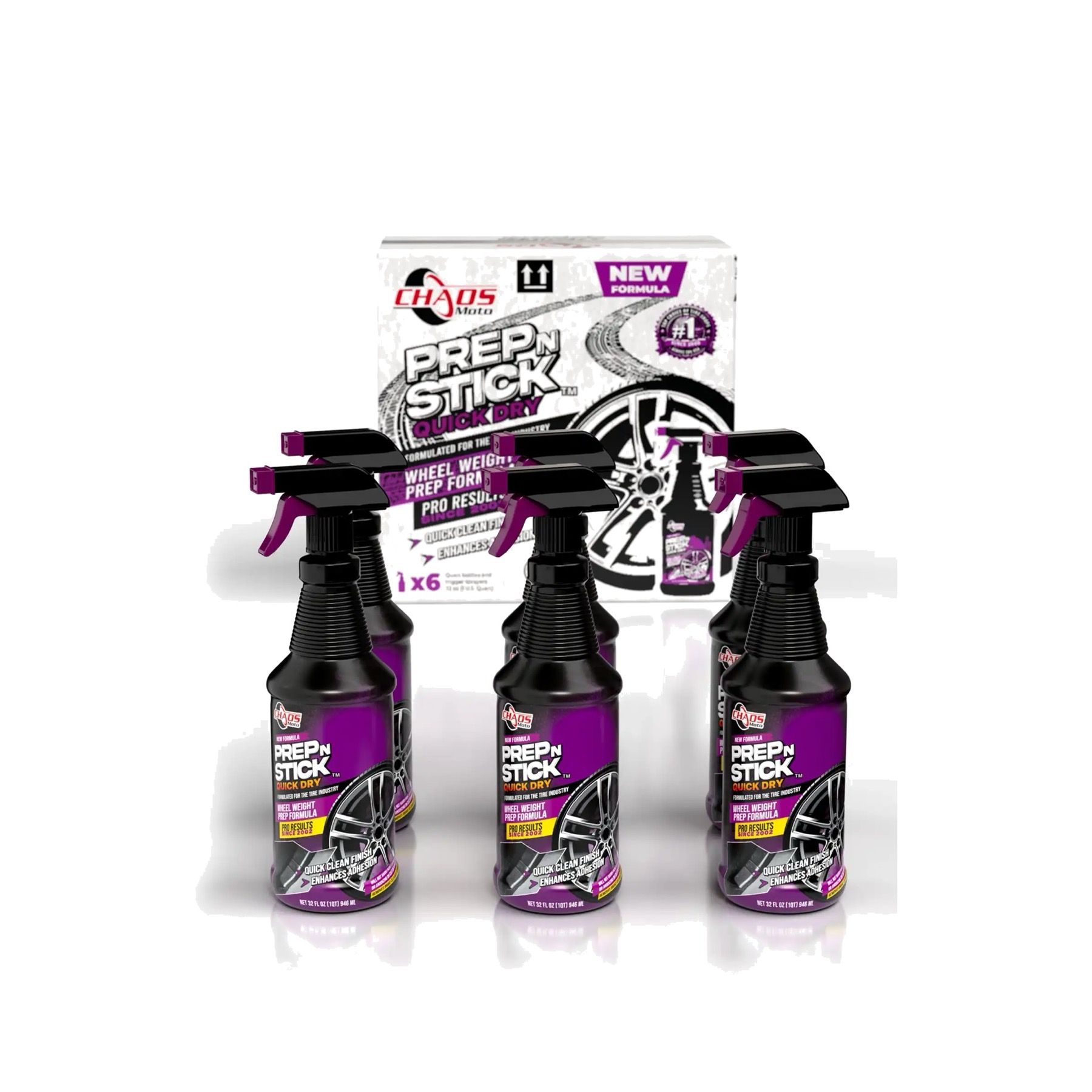
The whole test
Four steps. One sheet per bay.
Keep the method simple enough that every shift can follow it.
- 1
Label one bottle for each bay
Keep each active bottle in its assigned bay. The other three bottles are reserves.
- 2
Weigh each bottle at the start
Weigh the bottle with its trigger attached. Record the number in grams.
- 3
Count every wheel prepared
Count wheels, not vehicles or repair orders. Note spills, leaks, or unusual repeat cleaning.
- 4
Weigh again after 30 days
Use the calculator below for each bay. Compare all three results, not only the best one.
What to write down
Five numbers and notes.
- 1
- Starting bottle weight, with trigger
- 2
- Ending bottle weight, with the same trigger
- 3
- Empty bottle and trigger weight
- 4
- Number of wheels prepared
- 5
- Your net cost per bottle, if you want cost per wheel
Also note spills, a leaking trigger, training overuse, or unusually dirty wheels. Those details explain why one bay may differ from another.
Measured economics
Enter one bay at a time.
The calculator uses only the shop's measurements. It does not assume a bottle yield or savings number.
Enter one bay's measurements.
You will get product used, use per wheel, and an estimated full-bottle yield. Cost per wheel appears only when you enter your cost.
What the result means.
The output is an estimate based on the measurements entered. Report the wheel count and the range across all three bays. Keep tracking wheel-weight reattachment events for 60 to 90 days if the shop wants to compare comeback results.
This method does not promise a free case, a special price, a fixed savings amount, or a fixed number of wheels per bottle. CHAOS and the shop agree on any commercial terms before the pilot starts.
Ask about a pilot